“Civilization advances by extending the number of important operations which we can perform without thinking.” Alfred North Whitehead
AI can now produce text, images, and code quickly. The difficult part is deciding what to create and whether the result deserves attention. Those decisions depend on taste, discernment, and experience.
The limits of AI
The term stochastic parrot describes how language models generate statistically plausible text from patterns in large datasets. An AI system can reproduce and combine patterns from its training data without understanding them as a person does. Its output therefore requires human judgment, especially when a task demands originality or responsibility.
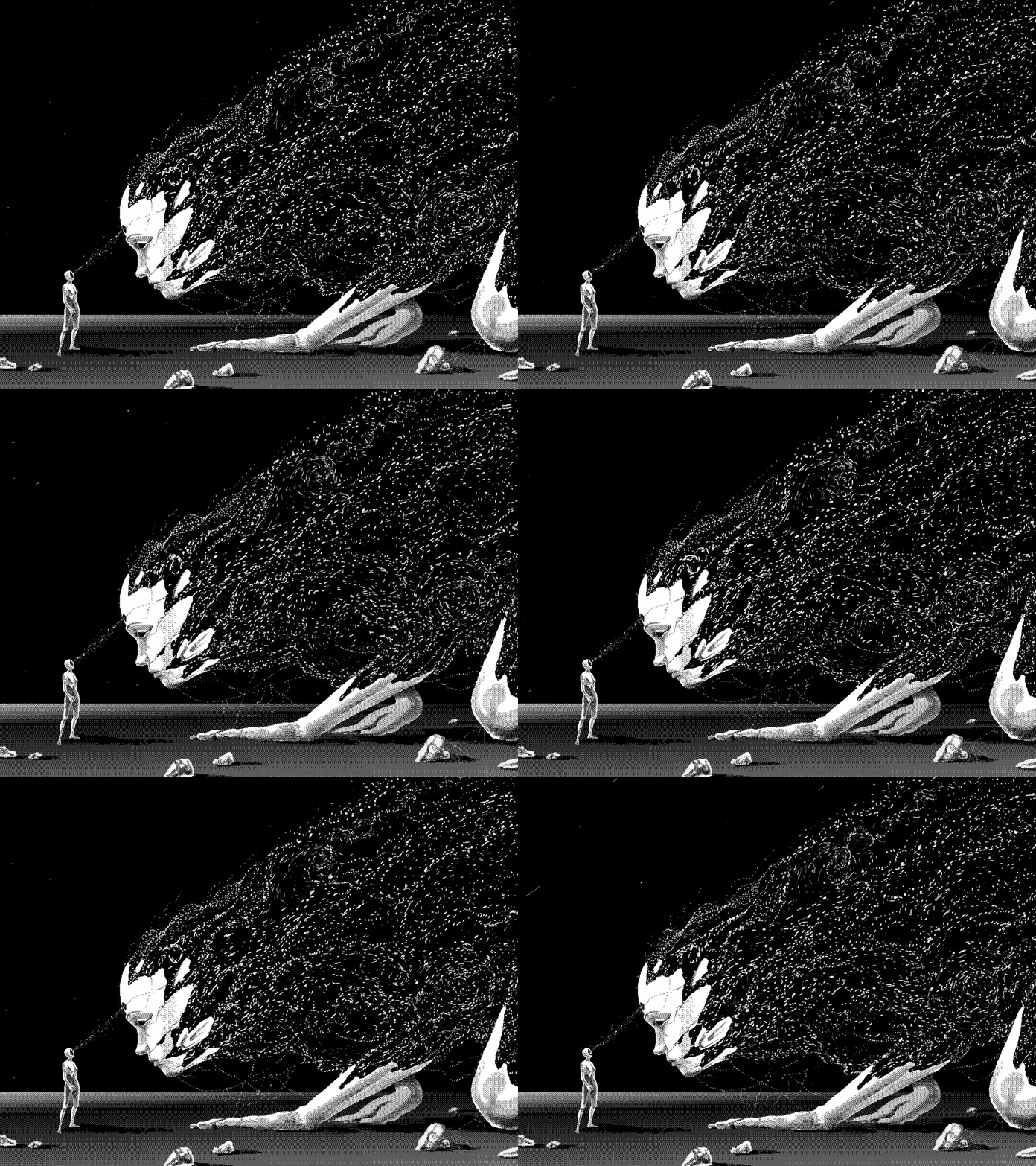
Human judgment and creativity
Creativity draws on experience, cultural context, emotion, and judgment. People decide which connections are meaningful and which ideas are worth developing. AI can produce candidate text efficiently, while a person supplies the purpose and evaluates the result (see Figure 2).
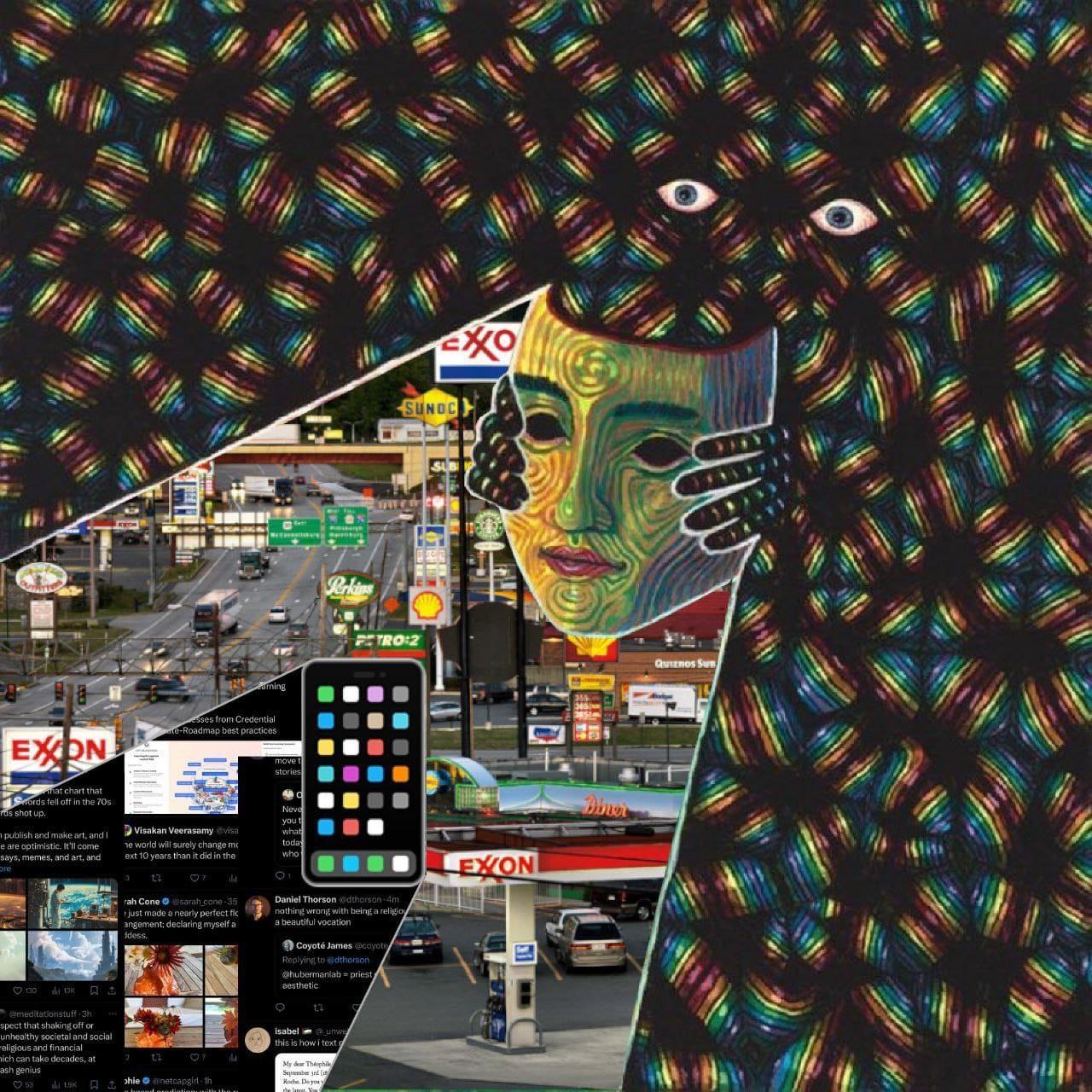
As AI handles more of the mechanics, people remain responsible for choosing the subject, setting the standard, and deciding what matters.
What can you do with what you know?
The Tony Stark and Jarvis scene in Figure 3 illustrates a person directing an AI assistant. The quality of their interaction depends on the goal, the information supplied, and the questions asked. An advanced system still needs someone who can define the task and judge the output. Garbage in, garbage out.
Garbage in, garbage out
Training data affects what an AI system produces. In programming, generated code can repeat bugs, inefficiencies, and outdated practices found in public code. A simple task may tolerate such defects. In a complex system, the same defects can accumulate into performance, maintenance, or security problems.
You cannot delegate an entire MSc thesis to an AI system. Complex work exceeds the amount of information a model can consider at once, and long-term dependencies remain difficult to manage. At some point, you may see a message such as:
“Apologies for my oversight. I have corrected the mistake and will ensure it doesn’t happen again.” (followed by the same wrong answer)
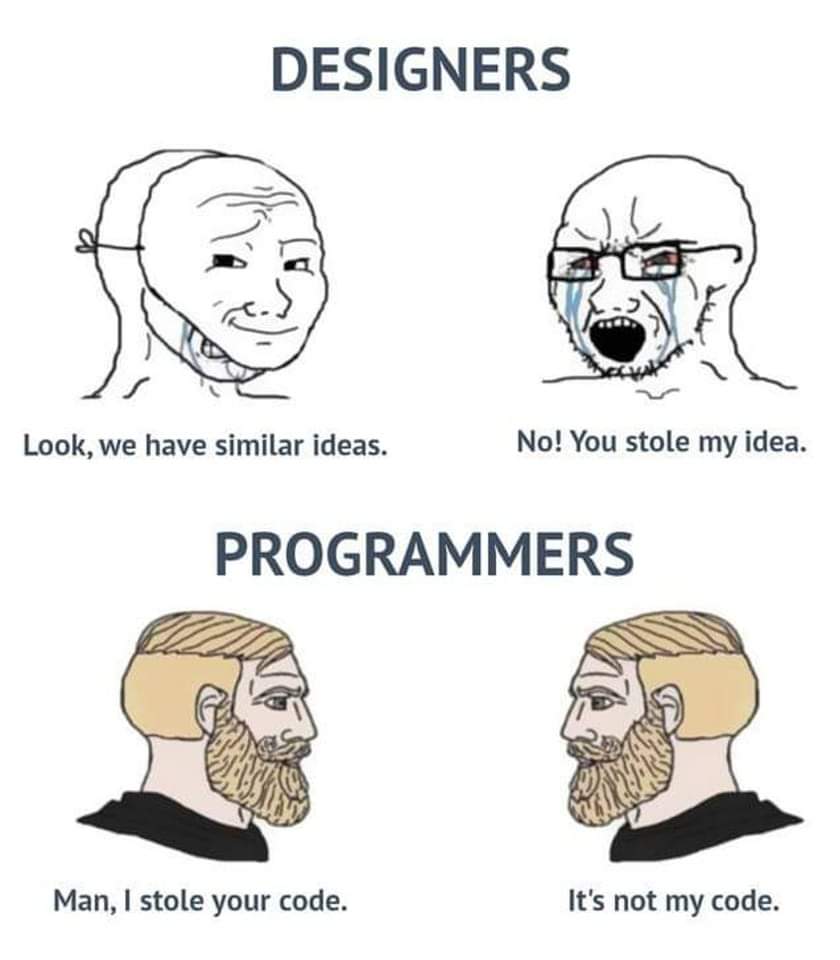
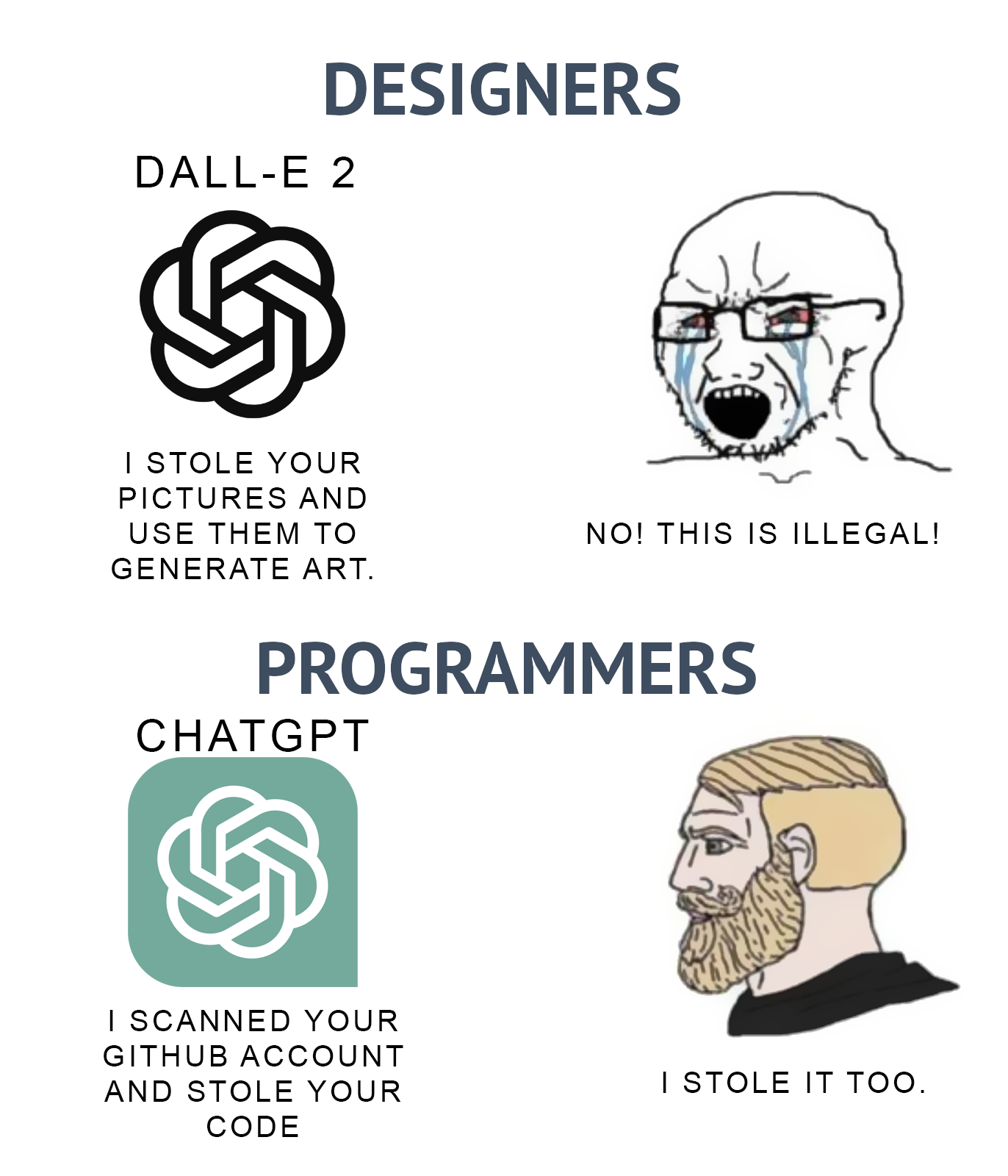
Programmers have long copied code snippets from websites and forums (see Figure 4). Current AI code assistants learn from similar material, including public code repositories. They can therefore repeat the same mistakes and inefficiencies.
Will you act on your knowledge?
Human agency is the ability to make choices, act with intention, and shape outcomes. The Internet made knowledge widely accessible, yet access alone did not make everyone an expert. AI now makes content production and some forms of learning faster, while useful work still depends on what a person chooses to do.
Ideas are increasingly easy to generate. Execution requires the agency to turn an idea into a finished result, and that ability develops over time. In Figure 3, Jarvis does not initiate the discovery of a new element. Tony Stark defines the purpose and directs the process.
Conclusion
During your studies, develop the judgment to choose worthwhile problems and evaluate AI-generated work. Build creativity through practice and contact with other people. Seek experiences that require you to make decisions, complete difficult work, and respond when things go wrong.