The balance between guidance and independence changes as students progress through education. Five Greek myths illustrate how scope, uncertainty, and responsibility differ across high school, university, doctoral study, and working life. The same progression also clarifies where human mentorship remains necessary when students use AI.
High school: Chiron’s mentorship
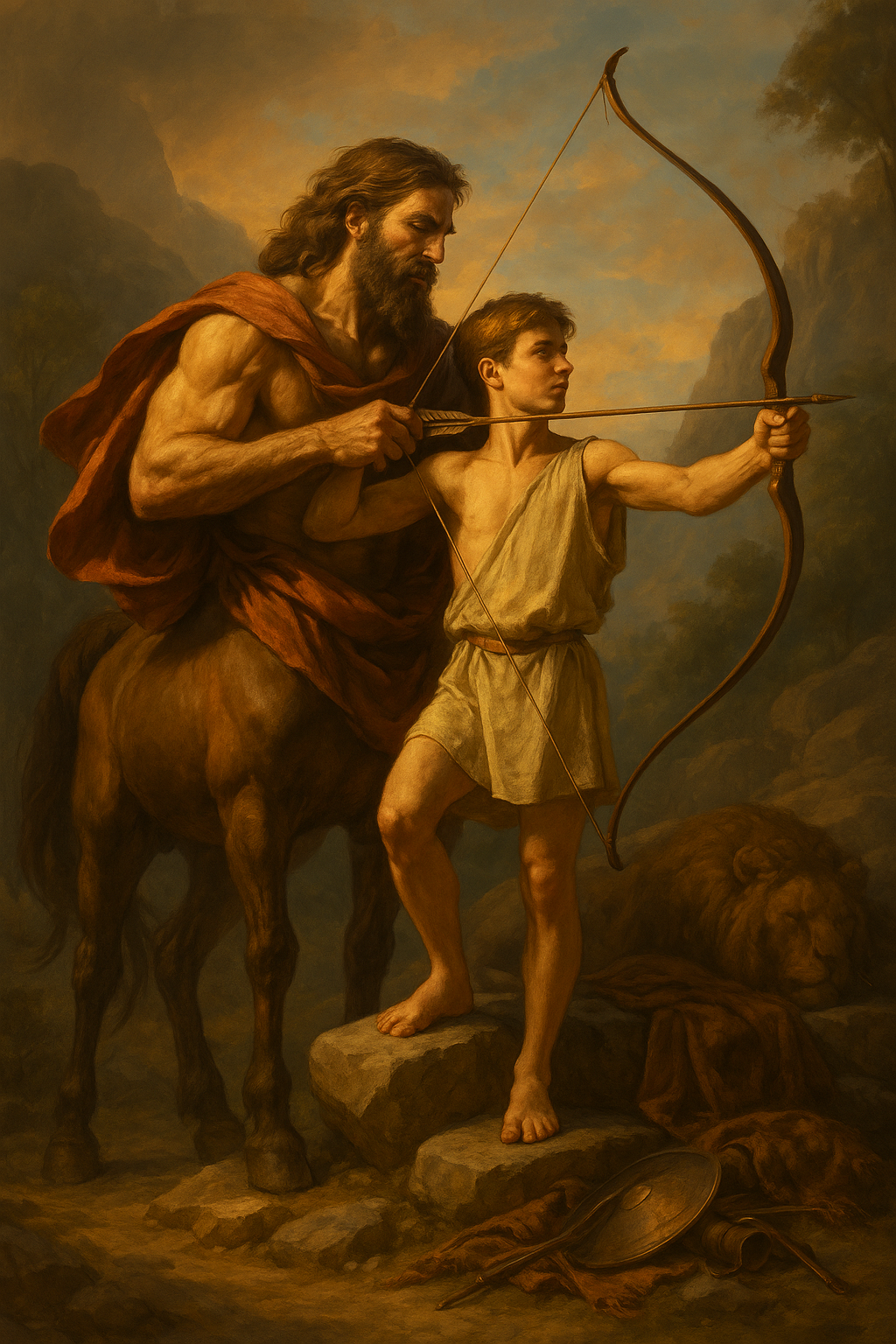
High school gives students explicit rules, regular feedback, and opportunities for low-stakes practice. Teachers set the curriculum, provide examples, and correct mistakes. Chiron’s education of Achilles illustrates this level of direct guidance. Chiron taught the skills and principles that Achilles would later use independently.
Bachelor’s degree: flight of Icarus
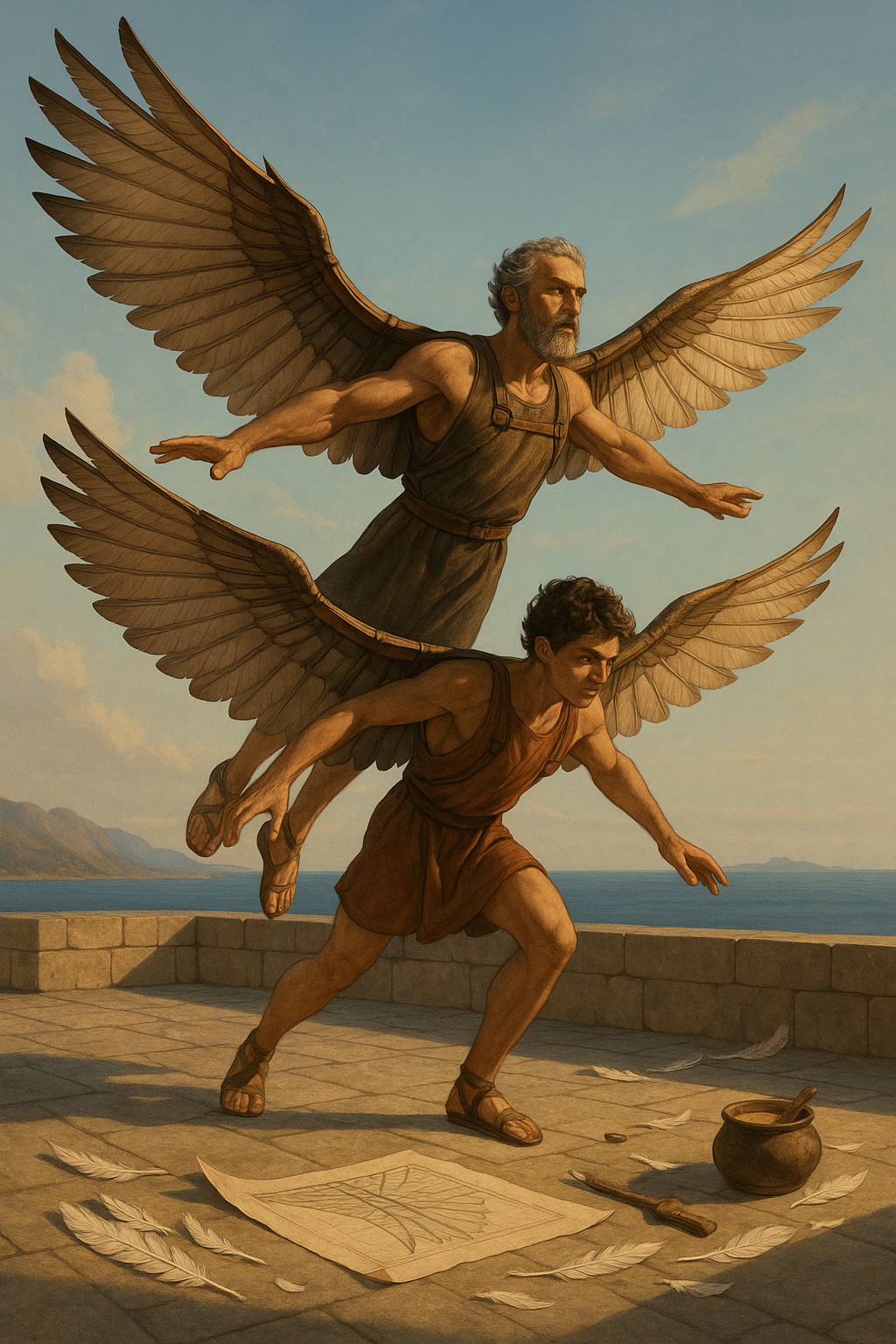
A bachelor’s degree gives students more autonomy within defined boundaries. Instructors provide methods, establish limits, and expect students to apply the guidance independently. The story of Daedalus and Icarus captures this balance. Daedalus supplied the wings and explained how to use them, while Icarus remained responsible for following the advice. Undergraduate students likewise need discipline when choosing how to use their growing freedom.
Master’s degree: Theseus in the labyrinth
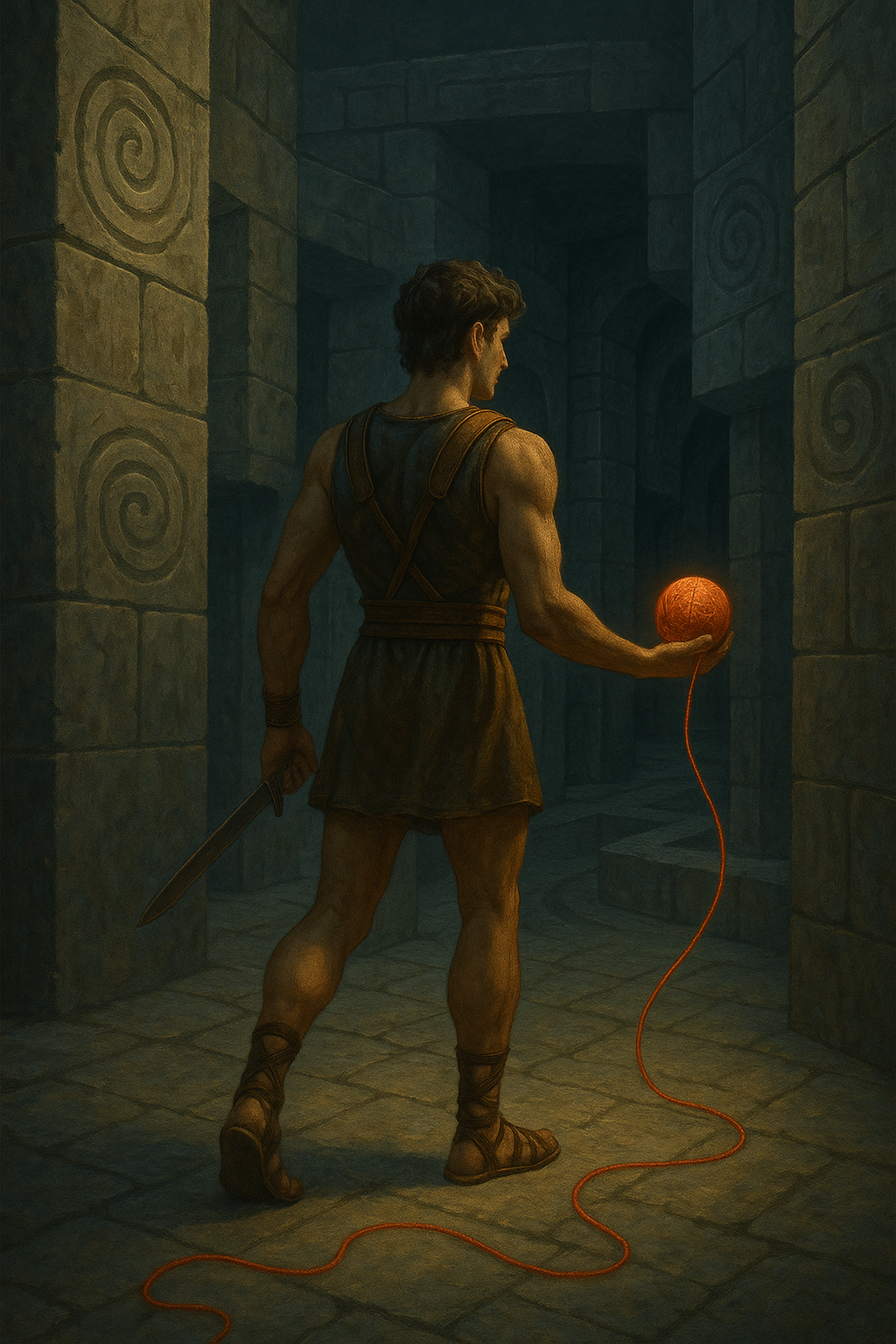
A master’s degree asks students to work within the boundaries created by prior scholarship. Theseus navigating the labyrinth with Ariadne’s thread illustrates the supervisor’s role at this stage. The thread provides orientation, while Theseus still chooses the route. Master’s students must make and document their own research decisions with targeted supervisory guidance.
PhD: Heracles and the Hydra
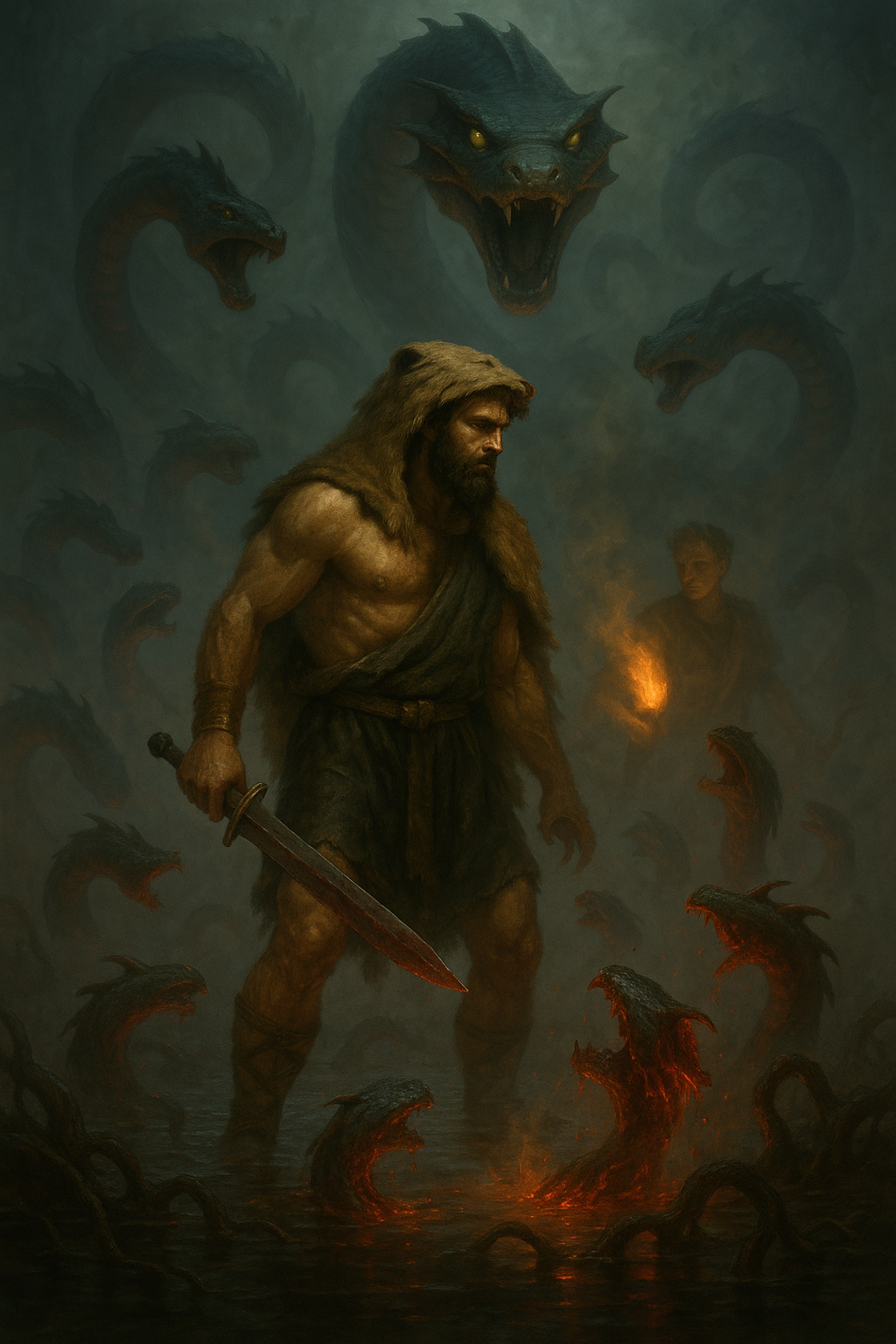
Doctoral research often creates new questions as earlier ones are resolved. Heracles confronting the Hydra illustrates this repeated expansion of the work. Iolaus gave specific assistance by cauterizing the severed necks, but Heracles carried the main responsibility. PhD advisors similarly provide focused guidance or resources at selected moments. The candidate must identify what support is needed and remain responsible for the research.
Work life: Sisyphus and self-chosen purpose
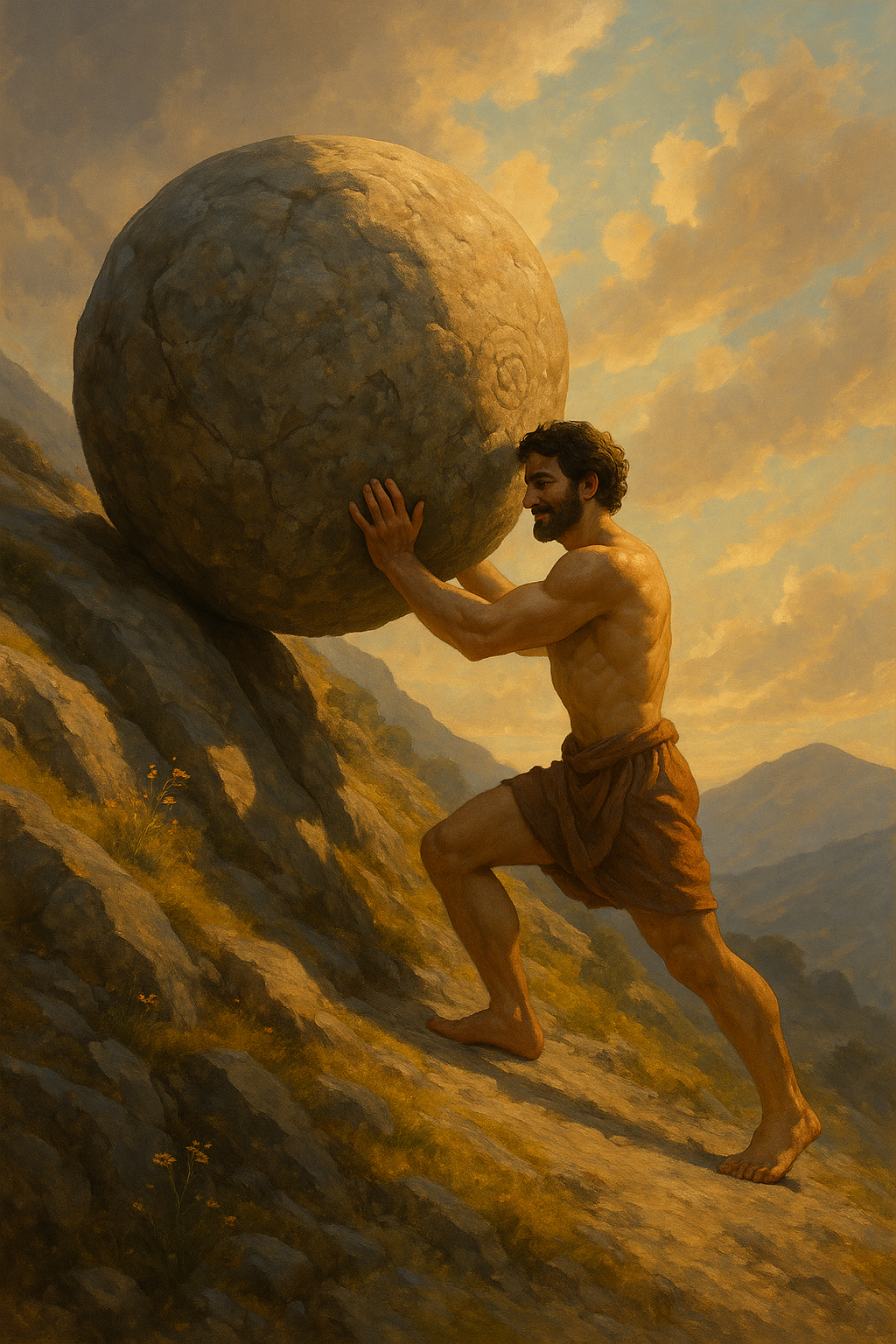
Working life requires people to define their own learning objectives and sources of meaning. Sisyphus, condemned to repeat the same task forever, presents an extreme case of finding purpose without an externally defined endpoint. Albert Camus writes in “The Myth of Sisyphus”:
“The struggle itself toward the heights is enough to fill a man’s heart. One must imagine Sisyphus happy.”
Lifelong learning has less imposed structure than formal education. People select their own challenges and decide which results make the effort worthwhile. Persistence and reflection shape that sense of purpose.
AI in education
AI can address discrete tasks quickly at every stage of learning. Students still need educators to direct attention, establish standards, and develop judgment. Human interaction also develops empathy, negotiation, and resilience. Heavy reliance on AI can reduce the practice students get in these interpersonal and collaborative skills.
Campus gives students repeated contact with peers and mentors. Those encounters support collaboration, professional relationships, and personal development that are difficult to reproduce entirely online.
Conclusion
The Greek heroes relied on mentors, companions, and available technologies while accepting responsibility for their choices. Formal education develops autonomy through structured practice and collective support. AI can assist the work, while people define their goals and take responsibility for the result.