9 Replenishment in practice
Keywords
Replenishment, Warehouse management system, Pick face, Storage optimization, Inventory management
Replenishment
- Replenishment moves the required products and quantities into pick locations (Richards 2018).
- An empty pick slot can delay an order or cause a lost sale.
- Late replenishment increases shortages, picking time, and cost per pick.
Replenishment timing
- A real-time WMS can trigger replenishment from current inventory and order data:
- Replenish the actual order quantity before the next order wave.
- Replenish when pick-face inventory reaches a defined level.
- The trigger changes operating risk:
- Early replenishment can overfill pick faces and disrupt FIFO.
- Late replenishment can empty a pick face before reserve stock arrives.
Replenishment methods
- Move products directly from inbound receiving to the pick face when this removes an intermediate handling step.
- Plan the quantity to prevent overfilling.
- Split pallet layers to match expected pick quantities.
- Without a real-time WMS:
- Size pick faces from predicted demand per day or shift and the location’s cubic capacity.
- Train staff to report replenishment needs to the responsible supervisor or forklift driver.
Example: A replenishment heat map
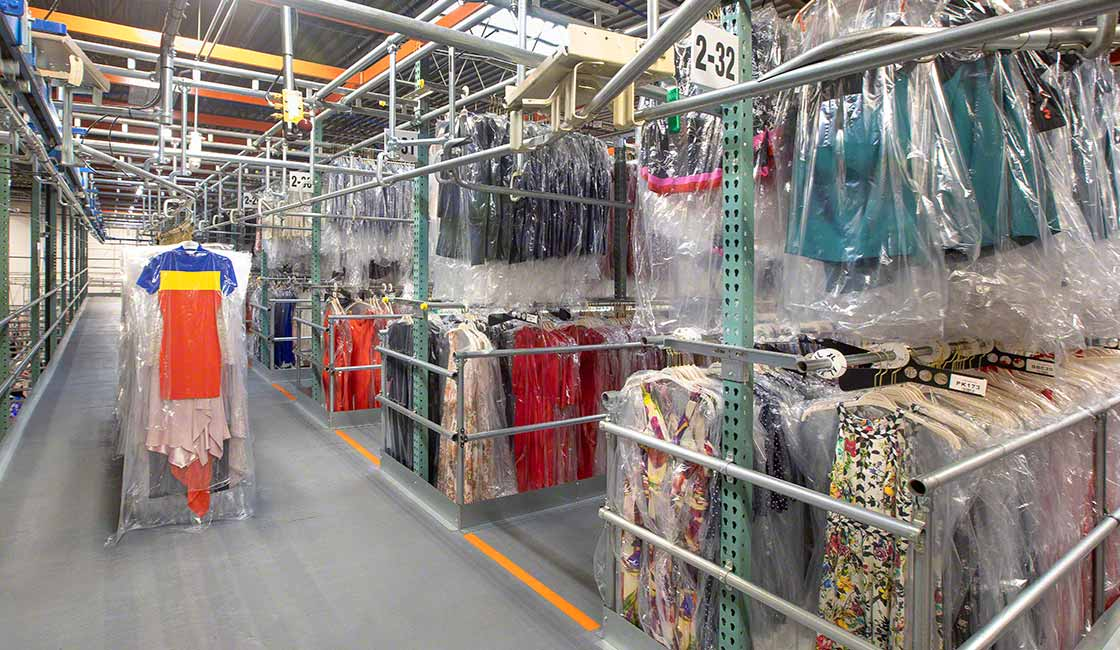
- In the fashion industry, clothing racking systems are used to store hanging garments on beams or tubes to prevent wrinkling or damage.
- Tiered picking shelves with mezzanines and walkways increase storage capacity while retaining direct access to goods.
- Restocking is often done chaotically, with items placed in any available location.
- A heat map can show inventory by location so employees can find empty replenishment positions.
Coordinating picking and replenishment
- Simultaneous picking and replenishment can:
- Cause safety issues if forklifts and pedestrian pickers work in the same aisle.
- Lead to confusion if both are at a location at the same time.
- Solutions include:
- Incorporating multiple picking locations for the same SKU
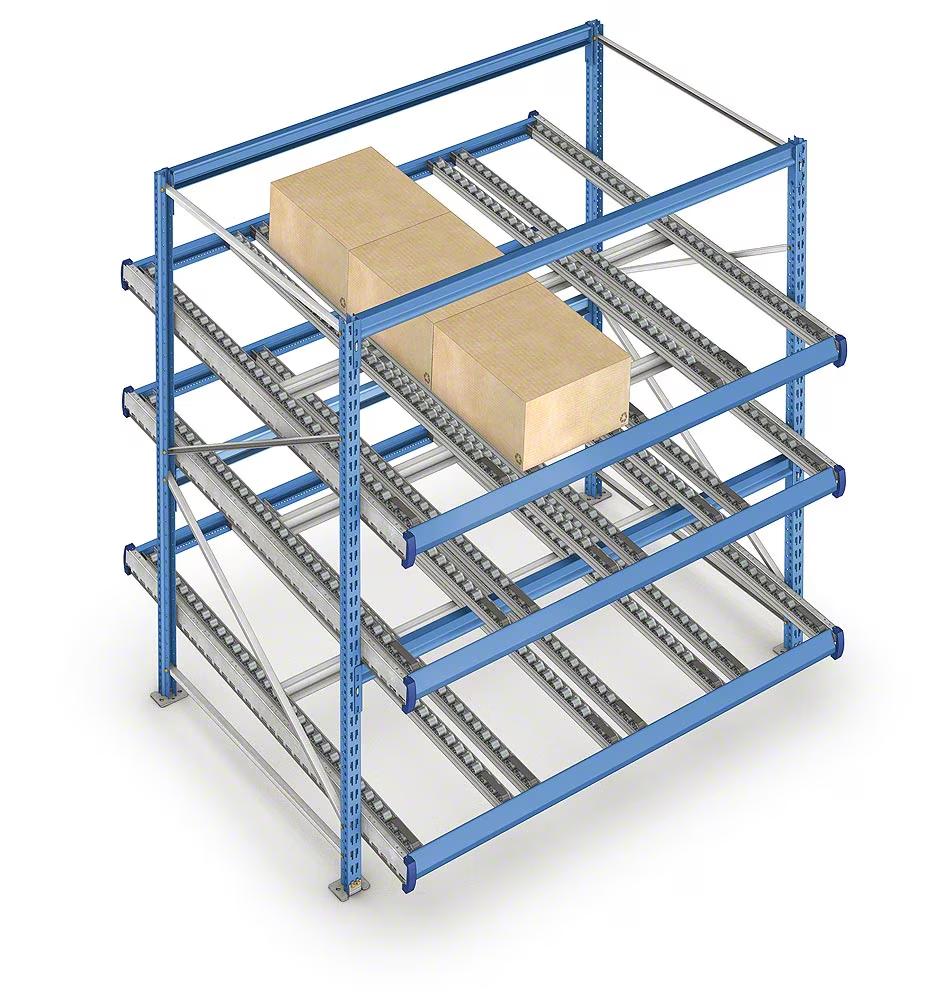
- Using storage handling systems that better separate the picking and replenishment processes (e.g., A frames, carton live storage, or flow racking)
- Carrying out the two activities at different times of the day if feasible.
References
Mecalux. 2023. “Warehouse Clothing Racking: How to Store Garments.” Supply Chain & Warehouse Logistics Blog, January 26. https://www.mecalux.com/blog/warehouse-clothing-racking.
Mecalux. 2025. “Live Storage for Picking.” Mecalux. https://www.mecalux.com/picking/live-storage-for-picking.
Richards, Gwynne. 2018. Warehouse Management: A Complete Guide to Improving Efficiency and Minimizing Costs in the Modern Warehouse. 3rd Edition. Kogan Page Ltd.